
Window Film & Tinting
Window film that cuts heat and sun fade, on glass we've made spotless.
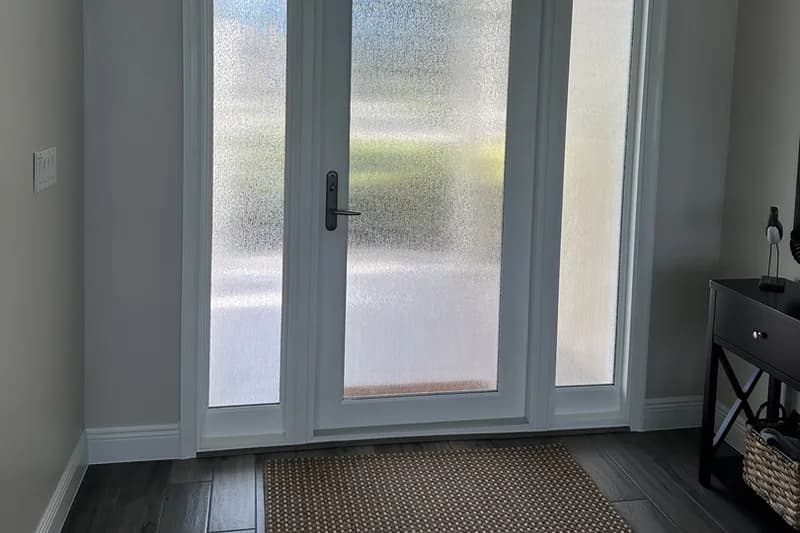
Window film is not a cleaning. It's a change to the window itself — the glass you already have stays where it is and the film goes onto it. Nothing torn out, nothing replaced. It also isn't maintenance. Most of what we do comes back around every season. This you decide once, for particular windows, and then live with.
The thing most people are weighing it against is new windows. Film is a long way down from that in both cost and disruption — it goes onto glass you already own, and it's done in a morning rather than a renovation. It also isn't a replacement window: it won't fix a failed seal or a draft. What it does do is usually the reason you were pricing new windows in the first place.
It isn't offered in every market yet, so ask when you get your quote — and ask carefully. This is one of the few things we do that you only do once. Everything else, we come back for.
Window Film & Tinting questions
What does window film actually do?
It rejects heat and blocks UV before it gets into the room. That means lower cooling bills in summer, fewer rooms that are unusable in the afternoon, less glare on screens and televisions, and dramatically slower fading on floors, rugs, art, and furniture. Depending on the film, it can also add privacy or hold glass together if it breaks. It's the cheapest meaningful upgrade you can make to existing windows.
Will it make my house dark?
Only if you want it to. Modern spectrally selective films reject most of the infrared heat while letting visible light through, so the room stays bright and stops being an oven. Darker films reject more heat and add privacy but do cut visible light. That's the trade-off, and it's a choice per room — you might want near-clear film on a north-facing living room and something darker on a west-facing bedroom.
Can film crack my windows?
It's a real risk on the wrong glass, which is why film selection matters more than installation. Applying a highly absorptive film to certain double-pane, tempered, or already-stressed units can cause thermal stress fracture. A competent installer checks the glass type, the pane construction, the orientation, and any existing damage before recommending a film — and won't put a film on glass it isn't rated for. If your windows are under warranty, check whether film affects it.
How do I clean windows after they're tinted?
Leave them alone for the first few weeks — the adhesive needs time to cure, and you may see haze or small water pockets during that period that clear on their own. After that, clean normally but don't use abrasive pads or ammonia-based cleaners, which degrade the film. And this is where being a window cleaning company helps: our crews already know how to clean filmed glass without wrecking it.
Why get film from a window cleaning company?
Because film only goes on as well as the glass underneath it. Every speck of dirt, every mineral deposit, every bit of construction overspray left on that glass becomes a permanent bump under the film. We clean the glass first as a matter of course, and restore it where the glass is a candidate for it — it's what we already do all day — and then install onto a genuinely clean surface. That's the whole idea behind "on glass we've made spotless."